
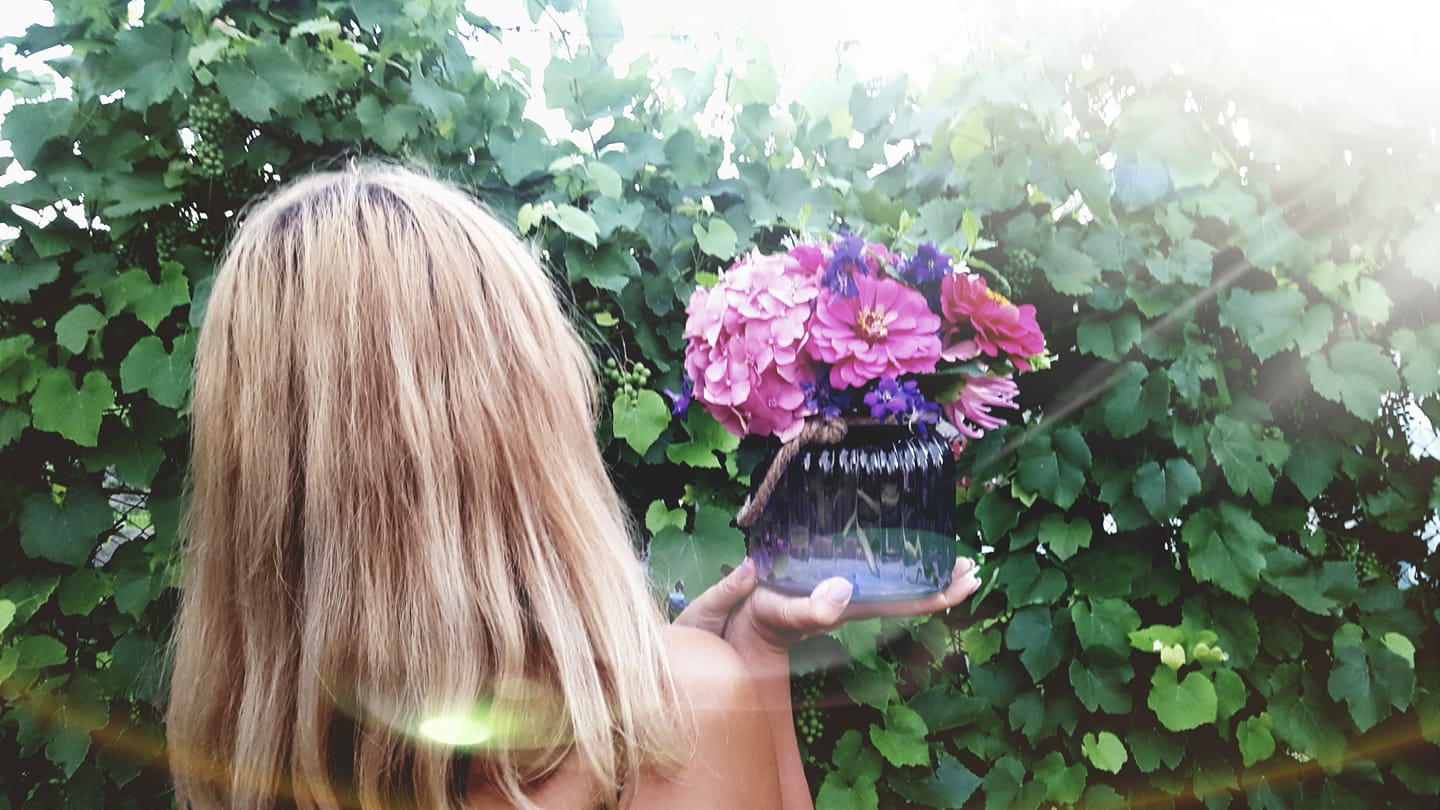
„Perfect beauty always carries within itself a quiet sorrow.”— Simone Weil In the reflection of flowers, this sentence holds a deeply personal meaning for me.
Flowers found me after a loss that could not be put into words. My sister, Katika, was only twenty-four years old when we lost her forever in a car accident, and my mother suffered life-threatening injuries. In a single moment, my entire understanding of the world collapsed.
In the silence of grief, I planted a peony garden in Katika’s memory. Peonies were her favorite flowers, and at the time, I knew no other way to say goodbye. Every flower I planted became a quiet prayer, a way of remaining connected to the one we had lost.
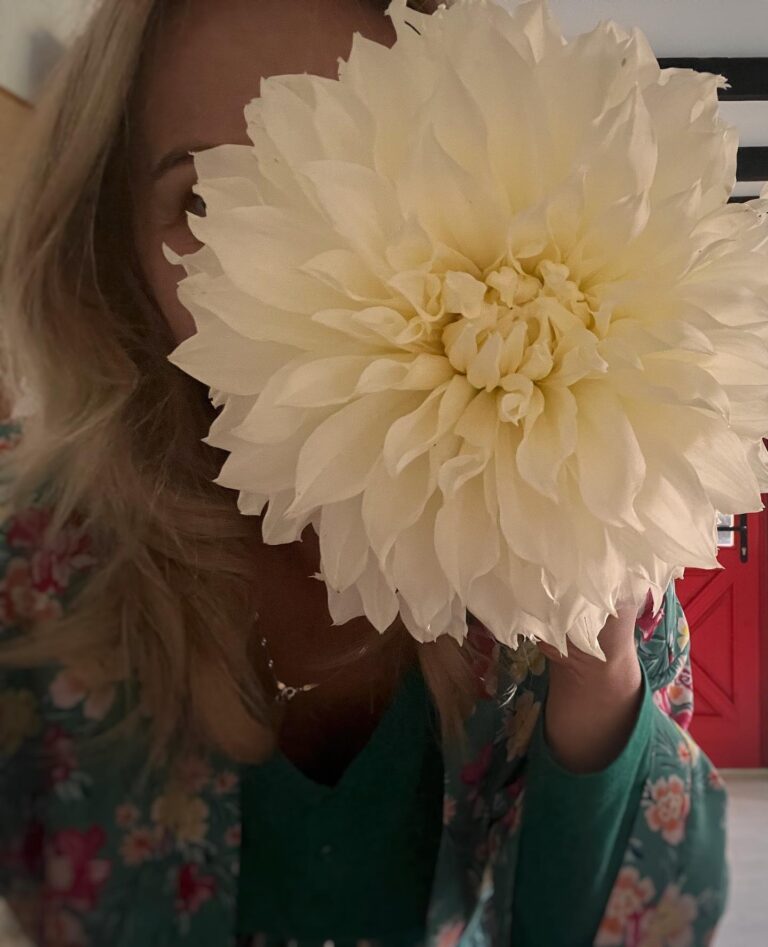
During the years of Covid, I spent almost all my time in the garden. The silence of early mornings, the sound of birds, the scent of wet soil, and the rhythm of working with my hands slowly guided me back toward life.
The kneeling that grief once forced upon me gradually transformed into a connection with the earth. The garden taught me how to be present, how to listen, how to pray.
In flowers, I discovered a beauty that is completely honest. They do not pretend to be anything other than what they are. They simply exist — blooming, fading, and returning again.
Through them, I found hope, stillness, and a path that brings me closer to God.

Florrie K was born from this inner journey.
To me, it is more than a name. It is a literary alter ego — a voice through which I can share everything the garden, loss, beauty, and nature have taught me.'
The name is connected to Madeira, the island of eternal spring and flowers, where we traveled after my mother’s death. There, I came across a book whose heroine was named Florrie — a young woman trying to save the garden she loved. The name stayed with me.
The K carries the memory of my sister, Katalin, while also honoring Koronka (Corunca), the place where these flowers take root.
Because to me, a garden is more than beauty.
It is remembrance, healing, connection.
This is what I hope to share with others — the joy of flowers, the purity of chemical-free gardening, and the quiet wisdom we can learn from the earth about ourselves and about life.